English Dub Review: Rooster Fighter “It Takes Two Wings to Fly”
Overview
As Keiji faces a brutal, back-to-the-wall beatdown from Hikari, Keisuke’s hidden potential finally cracks open in a penultimate episode that flawlessly balances high-stakes shonen tropes with absolute poultry absurdity.
Our Take
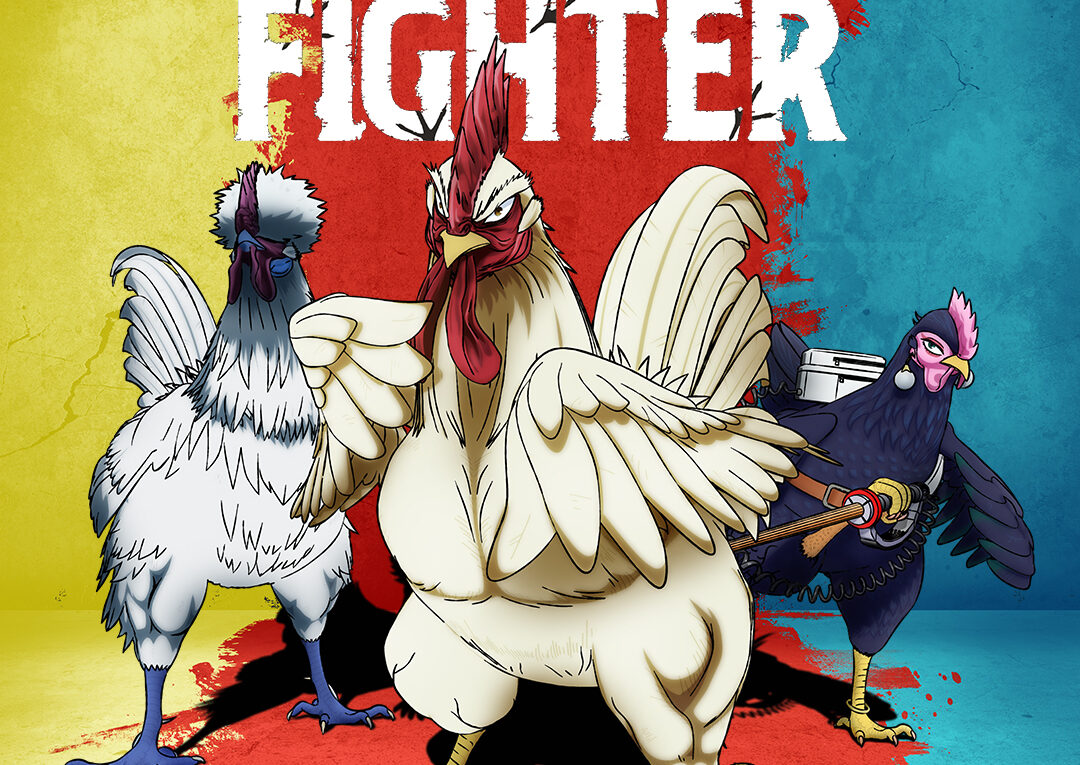
If you had told me at the start of the Spring 2026 anime season that a show about a wandering, hyper-masculine rooster fighting giant mutant demons would deliver one of the most genuinely thrilling penultimate episodes of the year, I probably would have laughed you out of the room. Yet, here we are.
Adult Swim and Toonami’s adaptation of Shu Sakuratani’s Rooster Fighter has spent the last ten weeks operating as a brilliant, straight-faced parody of battle shonen architecture. But in Episode 11, “It Takes Two Wings to Fly,” studios Sanzigen and SOLA Entertainment prove they know exactly when to stop winking at the audience and let the emotional beats land. The result is a gorgeous, action-heavy episode that perfectly sets the stage for next week’s grand finale.
The emotional and narrative core of “It Takes Two Wings to Fly” revolves around Keisuke. For the majority of the season, Keisuke has functioned primarily as the anxious sidekick—the feathered contrast to Keiji’s stoic, battle-hardened “lone wanderer” persona.
That dynamic is shattered here. Watching Keiji pushed to his absolute physical limits by the overwhelming power of Hikari, Keisuke is forced to confront his own self-doubt. The episode structures Keisuke’s breakthrough using traditional, classic battle-anime blueprints: a character witnessing their mentor/idol on the brink of death, triggering a profound, internal evolutionary spark.
When Keisuke’s new power finally awakens, it’s a genuinely triumphant moment. The writing does a fantastic job of highlighting that their bond isn’t “meaningless”—as the villainous Hikari taunts—but rather the exact fuel needed to overcome the Kiju threat. The title itself, “It Takes Two Wings to Fly,” perfectly encapsulates this thematic shift; Keiji cannot shoulder the weight of saving humanity entirely on his own anymore.
From a production standpoint, Sanzigen absolutely flexes its muscles in this frame. Known for their stylized 3D CGI work, the studio delivers a masterclass in kinetic momentum here.
The clash between the birds and Hikari is incredibly fluid, utilizing dynamic camera angles that spin and track the combatants through mid-air collisons. They manage to give a literal rooster weight, speed, and palpable impact behind every single peck and spur-slash. The visual contrast between Hikari’s monstrous, hulking presence and the sleek, glowing aura of Keisuke’s awakening makes for some of the most memorable imagery of the entire series.
“It Takes Two Wings to Fly” is Rooster Fighter firing on all cylinders. It takes a premise that is inherently ridiculous and treats its characters with enough respect to make the audience genuinely care about their survival. By giving Keisuke his well-deserved spotlight and pushing the stakes to an absolute fever pitch, Episode 11 ensures that the upcoming finale is appointment viewing for anyone who loves premium action animation.