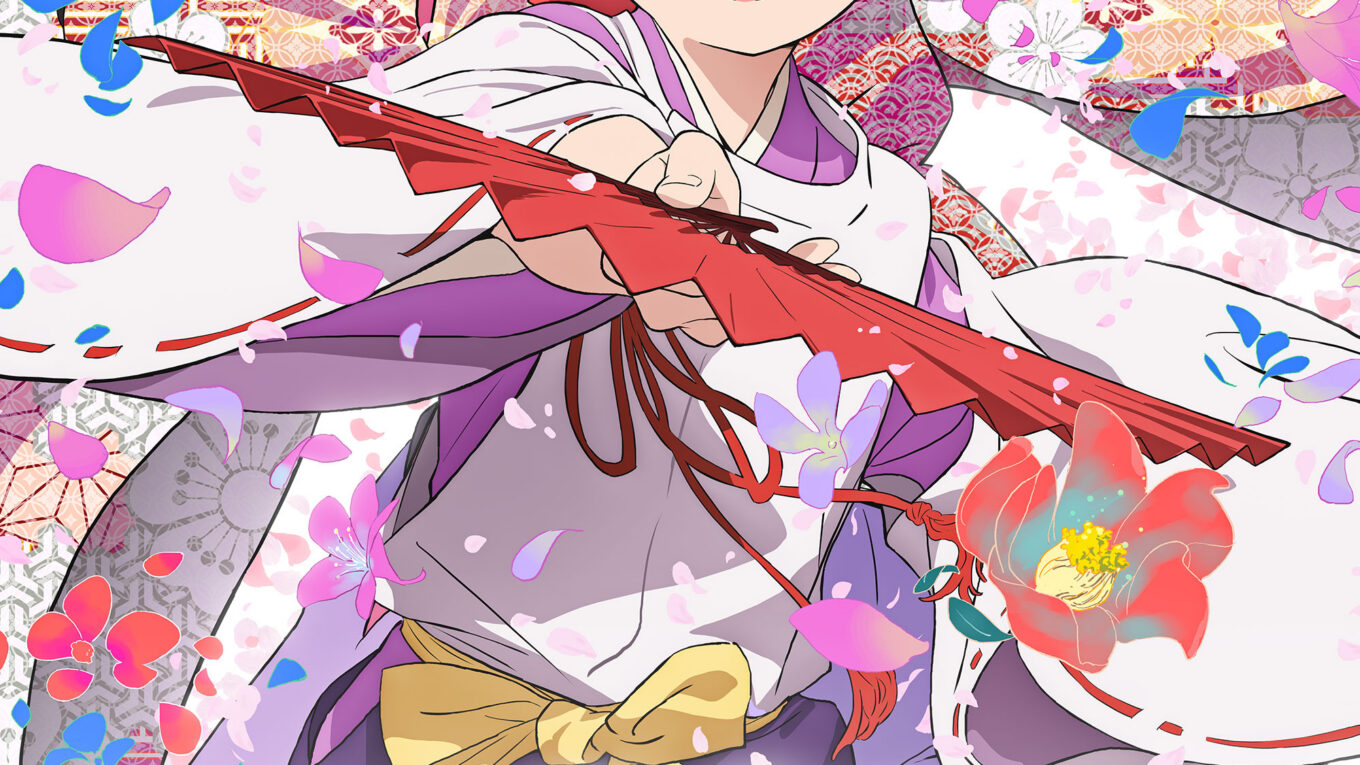
English Dub Review: The World Is Dancing “Why Do People Dance?”
Overview (Spoilers Below):
In the midst of an era of conflict, Oniyasha wrestles with a question he cannot answer.
Our Take:
There are many ways to express one’s emotions or even inspire others amid uncertainty. Some have expressed them through speeches, while others convey them with a more “elegant” approach. In the case of The World Is Dancing…well, the title speaks for itself. Its first episode, set during an ongoing civil war in 1374, introduces us to its protagonist, Oniyasha, a young boy who’s part of his father’s performance troupe. Fun tidbit: Oniyasha is the childhood name of Zeami Motokiyo, a Japanese aesthetician, actor, and playwright. His conflict begins when he questions the appeal of dance after accidentally jeopardizing his father’s mission to preserve Sarugaku. Through his struggle, he eventually comes to understand the art form through a shirabyoshi’s performance, prompting him to study it further, which would likely repair his estranged relationship with his strict father.
Along with Jaadugar: A Witch in Mongolia, The World Is Dancing seems like another opportunity to explore global history outside the United States in anime form. It not only takes place amid a civil war that causes political instability and social upheaval, but also explores a real-life individual from that era in the form of Oniyasha. However, based on the first episode, it seems it would focus only on his youth, when he would grow popular through acting and dancing. This would lead him to meet and form a bond with the Shogun, Ashikaga Yoshimitsu, and to develop Noh drama, but that happens later.
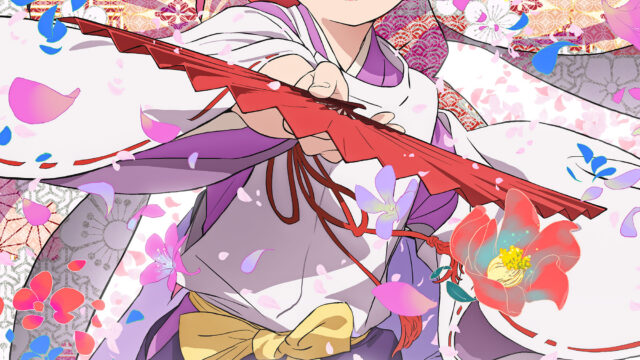
Until then, its main focus is Oniyasha’s journey and the reflection of dance as a sign of hope and change amid desperate times. If that’s the case, then we could be in for something special with this adaptation, especially with how its first episode turned out. “Why Do People Dance?” delivers a fairly enjoyable performance that sets up Oniyasha’s journey and introduces the direction it takes in interpreting Asia’s dance traditions. While its mix of drama and kooky comedy ends up being a tad sillier than expected, it’s mostly saved by Studio Cypic’s surprisingly strong animation style. It effectively reflects the different performances through character movements and choreography that are as engaging as the dances themselves, including the shirabyoshi’s performance, portrayed through a sketch-like art style. Regardless of the story’s execution for its biopic tropes, the animation in The World Is Dancing will very likely be the center of attention as we begin Oniyasha’s understanding of dance.