

English Dub Review: The Glassworker
In an era where major animation studios are increasingly turning toward the safety of CGI and franchise sequels, Usman Riaz’s The Glassworker arrives as a defiant, shimmering breath of fresh air. As Pakistan’s first hand-drawn animated feature, it is more than just a milestone for South Asian cinema; it is a meticulously crafted love letter to the art of 2D animation.
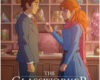
Set in the fictional, idyllic town of Waterfront, the film tells the coming-of-age story of Vincent, a young apprentice learning the delicate craft of glassblowing from his father, Tomas. Their peaceful existence—defined by the glow of the furnace and the precision of the blowpipe—is shattered when their country descends into a jingoistic war over a disputed territory known as the Great Ravine.
Amidst the encroaching darkness, Vincent meets Alliz, a gifted violinist and the daughter of Colonel Amano, the military officer overseeing the town’s mobilization. The central conflict is a classic “star-crossed lovers” tale, but it is elevated by the clash of philosophies between their fathers: Tomas, a staunch pacifist who believes in the sanctity of creation, and Amano, a man who sees “art” in the strategy of combat.
The Ghibli influence is unmistakable. From the lush, painted backgrounds to the loving attention paid to food and everyday labor, Riaz has clearly studied the works of Hayao Miyazaki. However, The Glassworker finds its own voice by weaving in subtle Pakistani cultural touches—bazaars, specific clothing styles, and the sheer vibrancy of the Waterfront architecture—that make the world feel “lived-in” and authentic.
The glassblowing sequences are the film’s visual heart. The way the light refracts through molten glass is animated with a level of detail that feels almost hypnotic, serving as a perfect metaphor for the fragility of the peace the characters are trying to preserve.
Perhaps the biggest surprise is the score. Riaz, who is also a composer, has created a soundtrack that rivals the best of Joe Hisaishi. Alliz’s solo violin performances are not just background noise; they are pivotal emotional beats that express what the characters cannot say out loud. The music rises and crashes with the war imagery, creating a visceral experience that lingers long after the credits roll.
While the film is a visual and auditory triumph, it isn’t without its minor flaws. The narrative occasionally suffers from a few pacing issues—most notably a subplot involving Djinns (supernatural spirits) that feels intriguing but never quite pays off in a meaningful way. Additionally, the final act feels slightly rushed, leaving some viewers wishing for a more lingering conclusion to the deep philosophical questions the film poses.
However, these are small gripes in what is otherwise a landmark achievement. The Glassworker is a poignant reminder that while war and destruction are easy, the act of creation is a difficult, beautiful, and necessary form of resistance.











"There are also other characters that come and go (also owned by the Warner Bros. Discovery conglomerate media company)."
Huh. Is that just referring to other characters from the show itself, or is this implying that the new season is going to have cameos from other WBD IPs