English Dub Review: Needy Girl Overdose “Just the two of us”
Overview
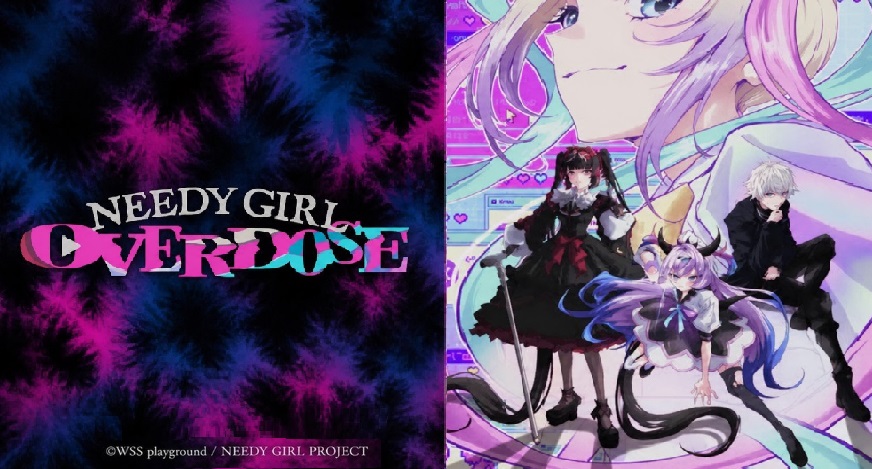
A collab interview event between KAngel and Karamazov is scheduled. Meanwhile, Kache visits Karamazov’s flat seeking advice about her own troubles. What answers will the three Karamazov members give after hearing Kache’s words…?
Our Take
Picking up from the previous episode, the influencer KAngel is being pushed further into the spotlight as the group “Karamazov” attempts to interview and challenge her rising influence. At the same time, Ame struggles internally with criticism, identity, and the emotional strain of maintaining her online persona, while Kache reflects on how far she has gone to preserve her relevance. The narrative frames their interactions as both competitive and confessional, blending public performance with private insecurity as the characters wrestle with the cost of attention and validation. As the interview and streaming confrontation unfold, KAngel and her rivals essentially compete for audience control while exposing fragments of their personal struggles.
The rest of the proceedings leans heavily into stylized monologues and symbolic presentation, emphasizing parasocial relationships, performative identity, and the psychological toll of internet fame. Moments of chaos, such as obsessive fans and sudden emotional breakdowns, underscore how unstable the boundary is between online performance and real emotional damage. Ame’s connection to “P-chan” remains a quiet but persistent emotional anchor beneath the noise of public persona battles.
Overall, this episode continues the series’ focus on the darker side of influencer culture, portraying fame as something simultaneously addictive and destructive within Needy Girl Overdose. While it remains heavily stylized and dialogue-driven, it further develops its core themes of identity loss, audience dependency, and emotional fragmentation in digital spaces. The result is an episode that prioritizes thematic intensity and psychological commentary over traditional storytelling structure, leaving its characters increasingly shaped and strained by the personas they are forced to maintain.