The $200 Million Moonwalk: Why the Michael Jackson Biopic Proves the Erasing of The Simpsons is Pure Performance
The release of the Michael Jackson biopic Michael has become more than a cinematic milestone; it has become a mirror reflecting the baffling selective memory of Hollywood’s moral guardians. As the film “moonwalks” toward record-breaking profits—shattering the record for the biggest music biopic opening of all time with a staggering $217 million global debut—a quiet, thirty-year-old ghost remains locked in the Disney vault: The Simpsons episode “Stark Raving Dad.”
The irony is as thick as the greasepaint on a movie set. On one hand, the industry is celebrating a massive, Estate-approved production that many critics argue “sugar-coats” the complex and controversial legacy of the King of Pop. On the other, a gentle, satirical, and genuinely moving piece of 1990s television remains erased from digital history because of a “book-burning” decision made by its own creators.
The Missing Chapter
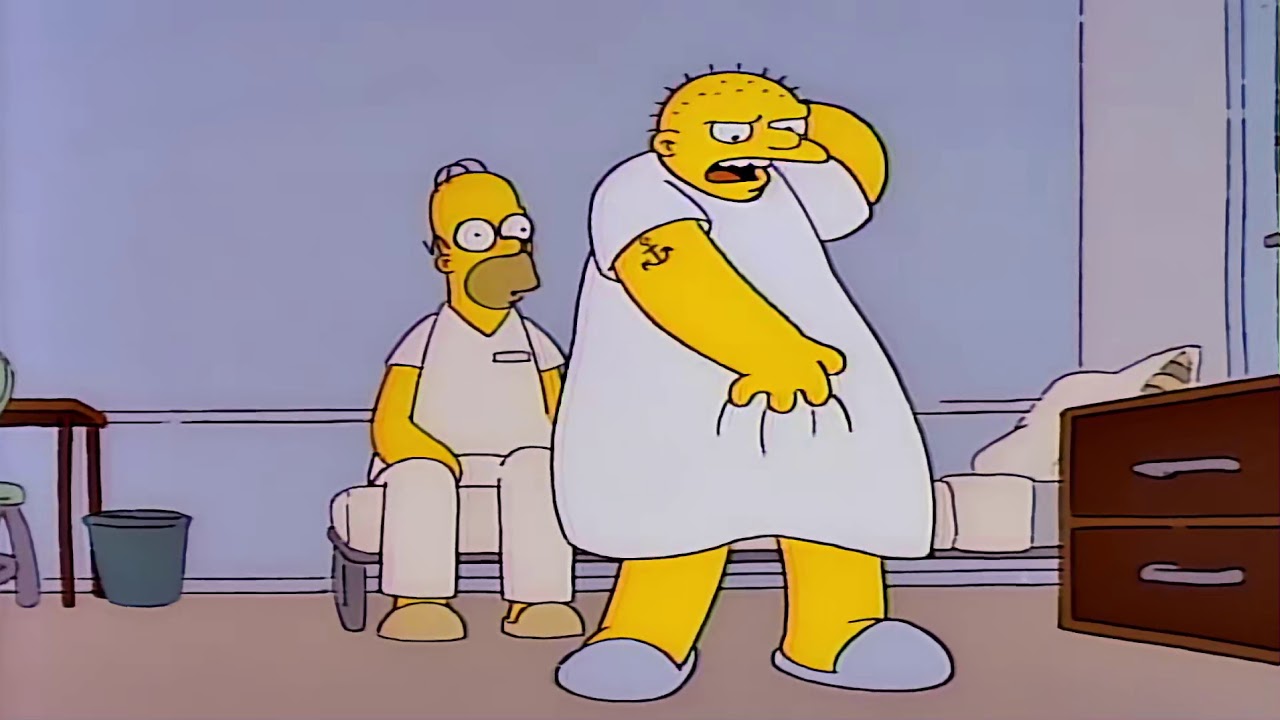
For those who missed the physical media era, “Stark Raving Dad” (Season 3, Episode 1) features Homer being sent to a mental institution, where he meets Leon Kompowsky—a man who believes he is Michael Jackson. It is famous for giving us “Happy Birthday Lisa,” one of the show’s most heart-tugging moments.
In 2019, following the Leaving Neverland documentary, executive producer James L. Brooks and the show’s creators pulled the episode from circulation. Brooks famously told the Wall Street Journal, “This was a treasured episode… I’m against book-burning of any kind. But this is our book, and we’re allowed to take out a chapter.”
The Multi-Million Dollar Double Standard
The hypocrisy lies in the timing and the scale. In 2026, we are witnessing a global marketing machine spend tens of millions to convince audiences to buy a ticket to see Jaafar Jackson portray his uncle. This film is designed for one purpose: to monetize the Jackson mythos. If the allegations against Jackson are severe enough to warrant the “erasure” of a cartoon episode about a man pretending to be him, how can the industry justify a blockbuster celebration of the man himself?
Disney+, which correctly labels the first episode of Season 3 as “Episode 2,” presents a curated, sanitized version of history. By removing “Stark Raving Dad,” the platform isn’t protecting audiences from harm; it’s engaging in a performative corporate scrub that feels increasingly hollow when the same parent company (through various distribution arms) benefits from the cultural resurgence the biopic brings.
Art vs. The Estate
The biopic is a product of the Jackson Estate—a curated narrative designed to polish a brand. The Simpsons episode, conversely, was a piece of independent satire that used Jackson’s celebrity to tell a story about family and kindness.
If we are “allowed” to consume a $200 million epic that navigates these controversies with the grace of a legal brief, why are we “not allowed” to watch a 22-minute animated comedy? The erasure of “Stark Raving Dad” suggests that corporate morality is only applicable when there isn’t a billion-dollar box office at stake.
The Conclusion
As Michael continues to climb the charts, the “missing chapter” of The Simpsons serves as a reminder of how inconsistent our cultural accountability has become. We are comfortable with the “complicated legacy” of a superstar when it’s packaged as a prestige drama, but we treat a classic episode of television like hazardous waste.
If Hollywood is going to profit from the myth of Michael Jackson, it should at least stop pretending that a cartoon cameo is the thing we need to be protected from. It’s time to put the book back together and let the audience decide for themselves.