English Dub Season Review: Chainsaw Man Season One
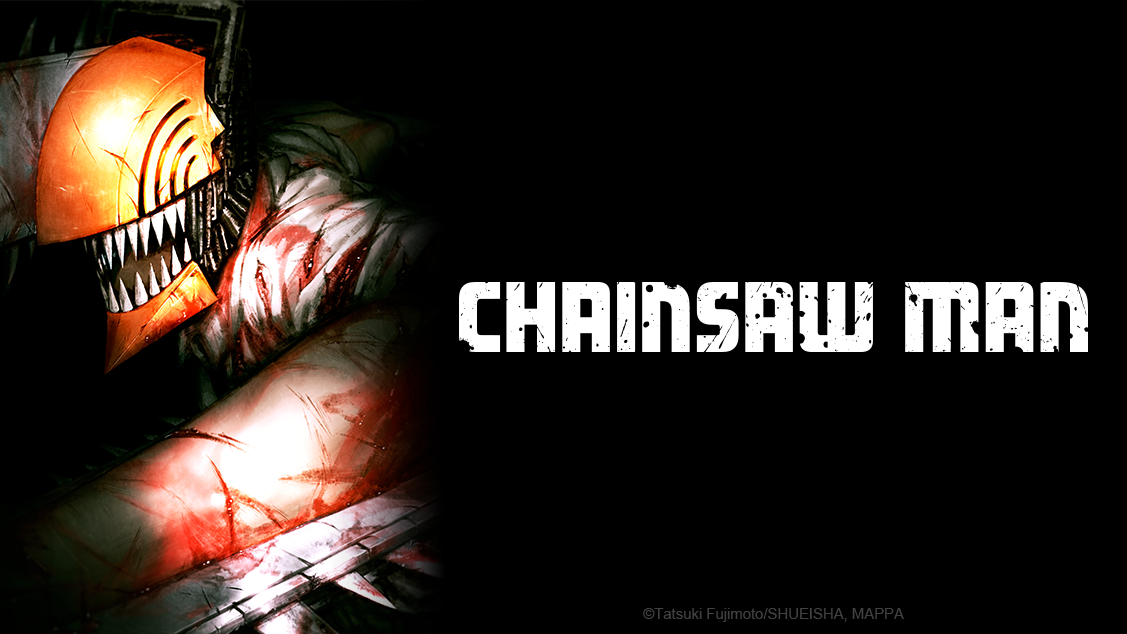
Based on the Japanese manga series written and illustrated by Tatsuki Fujimoto (Creator of Look Back), Chainsaw Man follows Denji, a sixteen-year-old living in bleak poverty, as he struggles to pay off the crushing Yakuza debt left behind by his dead parents while working as a Devil Hunter alongside Pochita, the small, dog-like Chainsaw Devil. After being betrayed and brutally killed, Denji forms a life-saving contract with Pochita, who merges with him and revives him as the Chainsaw Man, a human host carrying the heart of a Devil and capable of turning parts of his body into chainsaws as effective and brutal melee weapons. This transformation ultimately leads him to join the Public Safety Devil Hunters, a government organization dedicated to confronting Devils that threaten Japan, where his new life and chaotic misadventures begin!
On the technical side, the Anime series was produced by MAPPA and was directed by Ryū Nakayama from scripts by Hiroshi Seko, with Makoto Nakazono as chief episode director and Tatsuya Yoshihara as action director, as well as character designs by Kazutaka Sugiyama and demon designs by Kiyotaka Oshiyama. The series’ music was composed by Kensuke Ushio. Production was entirely funded by MAPPA itself as opposed to following the same production committee format as most other anime. The opening theme song is “Kick Back” performed by Kenshi Yonezu, while each episode features a different ending theme song from various bands such as “HAWATARI NIKU CENTI (“2-hundred-million-centimeter-long blades”) by MAXIMUM THE HORMONE, “ALL KINDS OF KISSES” by ano, “Fight Song” by eve, “Deep Down” by Aimer, “Rendezvous” by Kanaria, “In the Back Room” by syudou, “Violence” by QUEEN BEE, “Time Left” by ZUTOMAYO, “first death” by TK from Ling tosite sigure, “tablet” by TOOBOE, “CHAINSAW BLOOD” by Vaundy, and finally “DOGLAND” by PEOPLE 1.
At its core, Chainsaw Man follows Denji, a teenage boy crushed under the weight of his father’s massive debt, forced to survive by hunting devils alongside his only companion, the Chainsaw Devil Pochita. After a brutal betrayal leaves him dead, Pochita fuses with Denji, reviving him as a human-devil hybrid endowed with chainsaw powers. This transformation thrusts him into the high-stakes world of the Public Safety Devil Hunters, where he must battle grotesque embodiments of human fear while navigating strict contracts and lethal consequences for missteps. Set in an alternate 1997 where the Cold War never ended, the series imagines a universe in which human anxieties manifest physically as devils, ranging from the monstrous and terrifying to unexpectedly benign or even oddly friendly.
Much of the plot of Chainsaw Man adapts the first 5 volumes of the Manga into 12 episodes, and thrives on its messy, deeply human characters struggling to survive in a chaotic, supernatural world. Denji is compelling not because of heroic ideals but for his desperate longing for basic comforts, food, shelter, and genuine human connection needs born from neglect, deprivation, and emotional starvation. What makes him especially engaging is his intense craving for the small, everyday comforts most people take for granted, a reflection of a childhood he never truly experienced. His relationships drive much of the narrative: Makima offers glimpses of normalcy tinged with ambiguous, occasionally predatory intentions; Aki, the stoic yet quietly vulnerable older hunter, provides stability, mentorship, and quiet guidance; and Power, the chaotic, feral fiend, injects humor while inadvertently teaching lessons about teamwork, ultimately becoming a pseudo-sister figure. Fujimoto’s writing balances black humor, nihilism, and graphic violence with tender explorations of trauma, manipulation, and the slow, awkward process of growing into a human being rather than a tool, rooting every character’s motivations in survival and painfully relatable desires. Their clashing personalities, shared vulnerabilities, and small victories slowly evolve into a found family dynamic that anchors the series’ emotional core, giving depth and heart to even its most horrific and absurd moments.
That said, the series is not without its flaws. People new to this franchise might misread Denji as a shallow jerk, or struggle with the anime’s brisk pacing that compresses multi-chapter arcs into one or two episodes, or find Power’s chaotic, deliberately obnoxious personality grating. The early episodes’ use of sexual humor and provocative situations can also feel off-putting, though these elements underscore Denji’s emotional immaturity, the psychological dominance of figures like Makima, and the broader critique of common shounen anime tropes. The series’ unflinching portrayal of violence, morally ambiguous characters, and tonal shifts may challenge viewers expecting conventional action or heroic idealism, but these divisive choices serve a purpose: they reinforce the story’s grounding in messy humanity, highlight the absurdity of traditional shounen fantasies, and immerse audiences in a world where trauma, desire, and survival take precedence over comfort or formulaic storytelling.
When it comes to production, the animation and music, MAPPA delivers in spades, as it skillfully blends expressive 2D animation with subtle CGI, giving Denji’s transformations weight, speed, and manic energy, while the grotesque devil designs convey terrifying elasticity and cinematic presence. Action sequences are fluid and meticulously choreographed, and even quiet, character-driven moments are rendered with careful attention to nuance, from micro-expressions to delicate gestures, heightening emotional impact. Backgrounds are richly detailed, lighting is dynamic, and cinematography draws on Western film influences to enhance style and immersion. Kensuke Ushio’s eclectic soundtrack shifts seamlessly between unnerving ambience, pulse-pounding action, and introspective melancholy, while Kenshi Yonezu’s kinetic cinema-inspired opening and the twelve uniquely animated ending themes turn each episode into a mini cinematic showcase. The sound design amplifies gore, tension, and emotional beats with precision, and the symbolic imagery and chaotic energy reinforce the series’ unpredictable, unhinged identity.
Overall, Chainsaw Man is a daring, genre-defying series that earns its acclaim through a combination of emotional depth, brutal action, and technical brilliance. Beneath the blood-soaked chaos lies a story about broken, painfully human characters navigating a world shaped by fear, trauma, and societal neglect, with themes of self-worth, emotional manipulation, and survival explored with subtlety and nuance. While its graphic violence, dark humor, and occasional pacing hiccups may challenge some viewers, these elements underscore the series’ refusal to sanitize its world or characters, highlighting the messy reality of growth, desire, and survival. By deconstructing shounen tropes, balancing absurdity with tenderness, and blending visceral action with psychological nuance, Chainsaw Man delivers a gripping, unforgettable experience that is as emotionally resonant as it is viscerally thrilling. With the upcoming Reze Arc movie (which will adapt Volumes 6–7 of the manga), and potential future seasons in the works, it’s easy to look forward to even more emotionally charged chaos, intense battles, narrative depth, and unflinching storytelling that lingers long after the chainsaws stop roaring.