


The Top 25 Adult Animated Comedies Of the Last 25 Years (2000-2025)
We are 25 years in to the 21st Century and everything has been on the up and up in terms of the adult animation industry. At the start of the 2000’s,the internet was still in it’s nascent stages and cable television was about to give way to a few standout series but for the most part it was still limited real estate for adult animation. Nowadays everybody and the world is in on the party and the industry’s future hasn’t ever looked brighter. Let’s look at how we got here with some of the biggest series of the last 25 years in the areas of adult animated comedy.
25) Solar Opposites

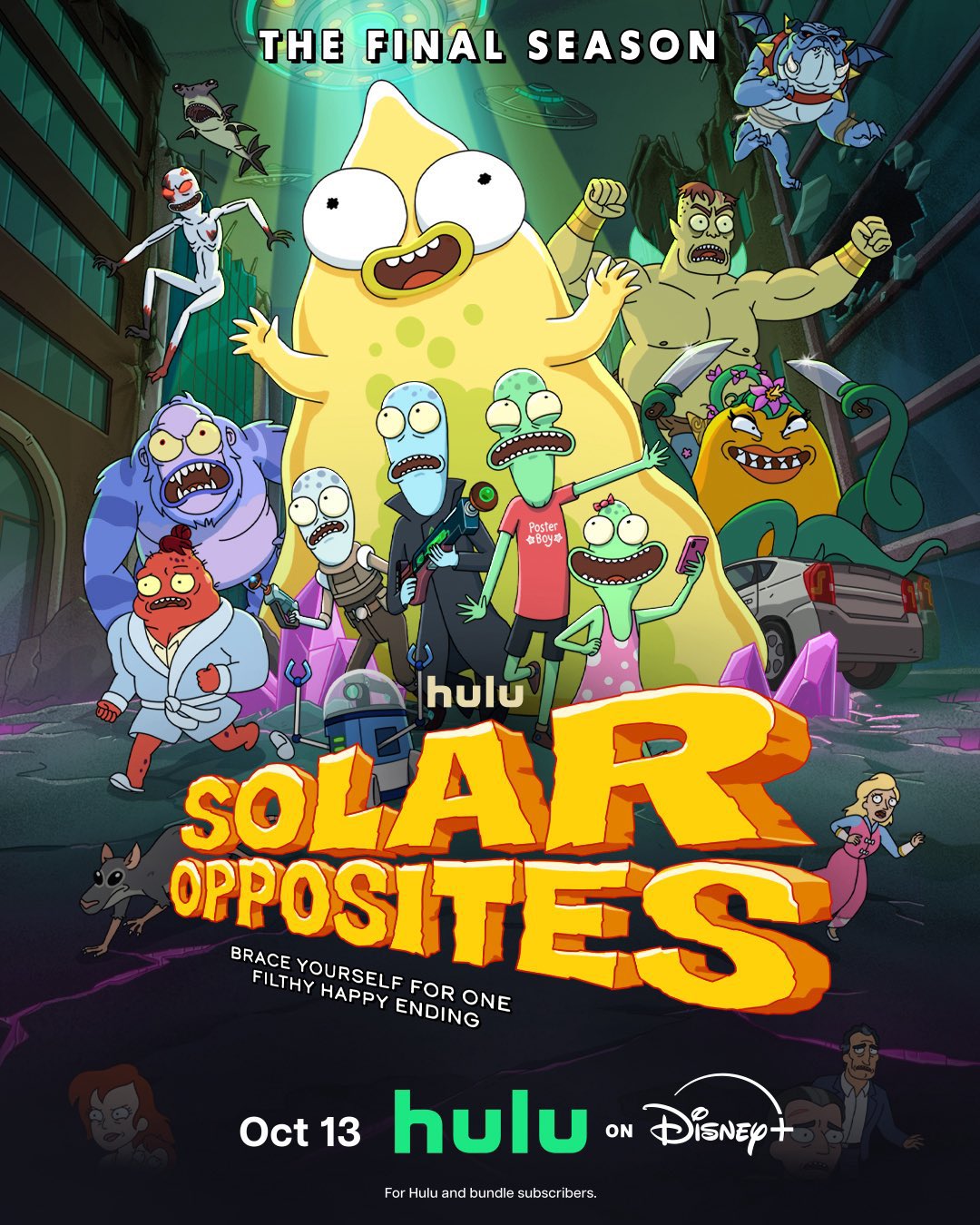
Over the last five years, Solar Opposites (2020–2025) has established itself as a cornerstone of modern streaming animation by masterfully balancing chaotic, alien-driven sitcom tropes with intricate, high-stakes serialized drama. Created by Justin Roiland and Mike McMahan, the series expanded the boundaries of the genre through its innovative “show-within-a-show,” The Wall, a gritty sub-narrative involving shrunken humans that often outshines the main comedic plot in emotional complexity. Its importance in the animation landscape is further highlighted by its seamless transition following the departure of Roiland after season three; by casting Dan Stevens as Korvo and leaning into a meta-explanation for his voice change, the show proved that a character-driven property could maintain its creative momentum and fan base through significant behind-the-scenes upheaval. By blending the “family sitcom” DNA of The Simpsons with the sci-fi absurdity of the 21st century, Solar Opposites has become a vital example of how animation can use science fiction to explore the absurdity of human consumerism, suburban life, and the inherent desire to belong.
24) Smiling Friends

Smiling Friends has emerged as a revolutionary force in adult animation, signaling a definitive shift from traditional sitcom structures to a “New Wave” of internet-inspired surrealism. Created by Zach Hadel (psychicpebbles) and Michael Cusack, the series represents the successful bridge between independent Newgrounds-era flash animation and mainstream cable television. Its importance lies in its rejection of cynical, meta-commentary in favor of a bizarre yet earnest mission: four employees simply trying to make people smile. The show’s visual language is its most significant contribution to the last 25 years of the genre, pioneered by its “mixed-media” approach that blends 2D animation, 3D CGI, rotoscoping, and live-action puppetry within a single frame. This unpredictable aesthetic, combined with a focus on “realistic” conversational dialogue and mundane social awkwardness, has made Smiling Friends the standard-bearer for a new generation of creators, proving that the chaotic, fast-paced energy of the digital age can be harnessed into a cohesive and globally beloved television format.
23) Squidbillies
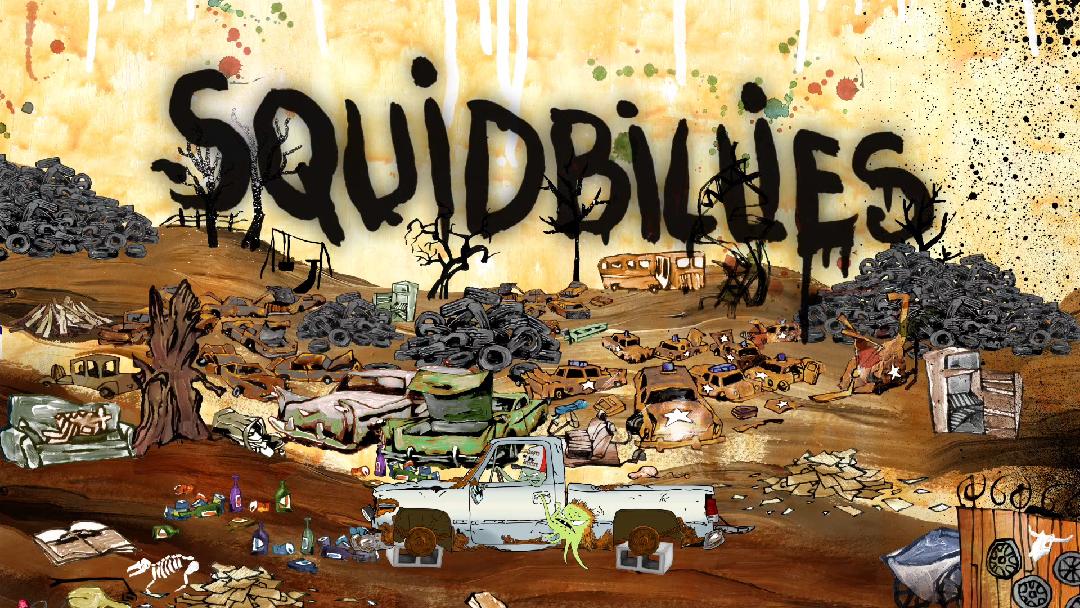

Squidbillies (2005–2021) has served as a cornerstone of Adult Swim’s identity, using its surrealist “low-fi” animation style to provide a biting, yet strangely affectionate, satire of Appalachian culture and Southern stereotypes. Created by Dave Willis and Jim Fortier, the series followed the Cuyler family—a clan of anthropomorphic, alcoholic mud squids—to explore themes of poverty, religious fundamentalism, and the “othering” of rural America. Its importance lies in how it used its 11-minute format to deconstruct the “redneck” archetype, turning characters like the hat-obsessed Early Cuyler into cudgels for social commentary on everything from corporate greed (personified by Dan Halen) to the complexities of regional pride. However, the show’s legacy faced a significant turning point in its final season (Season 13) following the firing of lead voice actor Stuart Baker (Unknown Hinson) due to controversial social media comments. The decision to recast Early with Tracy Morgan—who notably made no attempt to mimic the character’s signature North Georgia drawl—remains a point of intense debate among the fanbase; while some viewed it as a bold comedic “troll” move to spite the departing actor, others felt it fundamentally broke the show’s immersion and contributed to a creative decline in its final hours. Despite this polarized conclusion, Squidbillies remains a vital part of the 21st-century animation canon, having paved the way for more geographically specific, creator-driven comedies that aren’t afraid to be “gooder than hell.”
22) Brickleberry


Brickleberry (2012–2015) has evolved from a divisive Comedy Central newcomer into a definitive cult classic of “shock-humor” animation, leaving a lasting imprint on the genre’s boundary-pushing landscape. While initially criticized for its unapologetically crude and politically incorrect approach, the series—created by Waco O’Guin and Roger Black and executive produced by Daniel Tosh—has seen a major resurgence in the 2020s through streaming platforms like Tubi. Its importance lies in its refusal to conform to the “moral center” trope common in adult sitcoms, instead embracing a world where every character is flawed and every social taboo is a target. This commitment to unfiltered satire paved the way for the creators’ expanded universe, including the spiritual successors Paradise PD and Farzar, which carry on the show’s distinctive visual style and fast-paced, gag-heavy DNA. As of 2025, with the launch of a new behind-the-scenes podcast by the creators, Brickleberry is recognized not just as a product of the early 2010s, but as a resilient franchise that proved there is a massive, enduring audience for comedy that prioritizes “big, explosive laughter” over safe, conventional storytelling.
21) Star Trek Lower Decks

Since its premiere in 2020, Star Trek: Lower Decks (2020–2024) has redefined the legacy of the Star Trek franchise by proving that a storied sci-fi property can successfully pivot into the realm of high-energy adult animation without losing its optimistic soul. Over the broader context of the last 25 years, the show served as a critical bridge between the “golden age” of 90s Trek and the modern streaming era, using the perspective of junior officers on the “least important ship in Starfleet”—the USS Cerritos—to democratize the franchise’s lore. Created by Mike McMahan, the series challenged long-standing genre tropes by replacing the stoic heroism of the bridge crew with the chaotic, relatable struggles of Ensigns Mariner, Boimler, Tendi, and Rutherford. Its importance lies in how it balanced “deep-cut” fan service with genuine character growth, eventually influencing the wider canon through its groundbreaking live-action crossover with Strange New Worlds. By the time of its series finale in 2024, Lower Decks had established itself not just as a parody, but as a vital pillar of the Federation’s history, proving that the heart of Star Trek beats just as strongly in the corridors and jefferies tubes as it does on the bridge.
20) The Great North

The Great North (2021–2025) has carved out a vital niche in the adult animation landscape by championing a “radical kindness” that contrasts with the cynical tropes often found in the genre. Created by Wendy Molyneux, Lizzie Molyneux-Logelin, and Minty Lewis, the series shifted the focus of the “Animation Domination” block toward a more emotionally evolved family dynamic through the Tobins of Lone Moose, Alaska. Its importance lies in how it successfully modernized the sitcom formula: it replaced the trope of the bumbling, distant father with Beef Tobin (Nick Offerman), an emotionally available single dad, and normalized LGBTQ+ representation through Ham Tobin, whose queerness is met with immediate, unquestioned acceptance. By blending high-energy whimsy—personified by Judy’s imaginary friend, Alanis Morissette—with grounded explorations of financial stability and community, the show proved that adult comedy could be both deeply funny and relentlessly wholesome. Though it concluded in 2025 after a 97-episode run, its legacy remains a blueprint for “comfort viewing” that prioritizes healthy relationships and inclusive storytelling over mean-spirited satire.
19) Rick and Morty

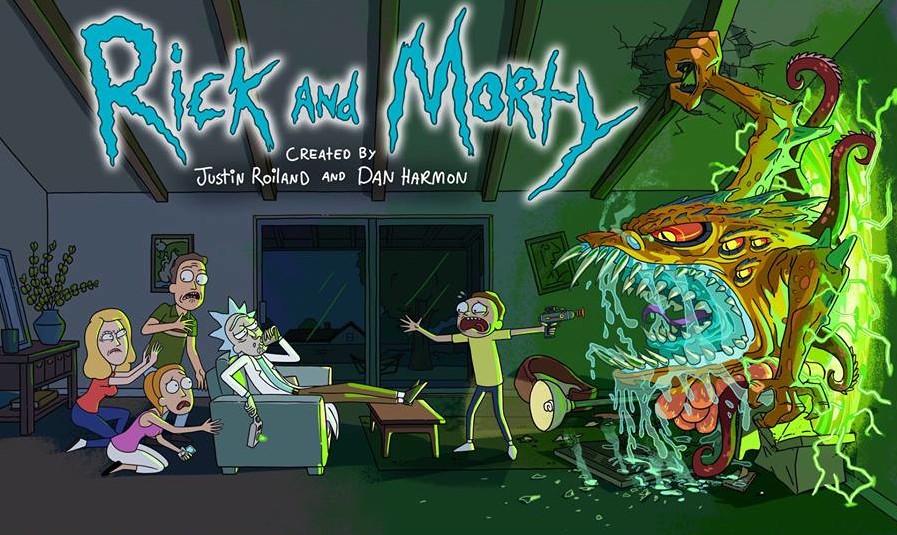
Over the last decade, Rick and Morty has solidified its legacy as a definitive pillar of modern adult animation, blending high-concept nihilism with emotional depth to influence a generation of sci-fi storytelling. Since its debut in 2013, the series has grown into a massive cultural phenomenon, though many fans argue the show entered a period of creative decline following its sixth season. This shift is often attributed to the decision by Adult Swim to sever ties with co-creator and lead voice actor Justin Roiland in early 2023 following domestic violence allegations. While the criminal charges were ultimately dismissed due to insufficient evidence, the show moved forward by recasting its titular characters, a move that critics and audiences alike noted altered the fundamental chemistry and improvisational energy that Roiland provided. Advocates for his return point to the precedents set by figures like Aziz Ansari and Johnny Depp, both of whom have navigated the aftermath of high-profile allegations to reclaim their places in the industry. For those who believe in the principle of “innocent until proven guilty,” Roiland’s return is seen as a necessary step to restore the show’s original spirit and ensure that one of the most important series of the last 25 years can conclude its run with its founding creative vision intact.
18) Robot Chicken

Since its premiere in 2005, Robot Chicken has redefined the speed and structure of adult comedy, serving as the “Saturday Night Live” of stop-motion animation. Its importance over the last 20 years lies in its role as a pioneer of short-form, rapid-fire satire, utilizing a “channel-flipping” format that effectively predicted the hyper-attentional, meme-driven humor of the TikTok and YouTube eras. By repurposing the literal toys of the 1980s and 90s—G.I. Joe, Transformers, and He-Man—creators Seth Green and Matthew Senreich tapped into a potent “dark nostalgia,” proving that childhood icons could be deconstructed to explore adult anxieties and corporate absurdity with a “punk-rock” DIY aesthetic.
By bridging the gap between “fan-made” internet humor and prestige television, Robot Chicken has become the definitive archive of pop-culture obsession, reminding viewers for two decades that nothing is too sacred to be mocked—especially if it’s made of plastic.
17) Aqua Teen Hunger Force

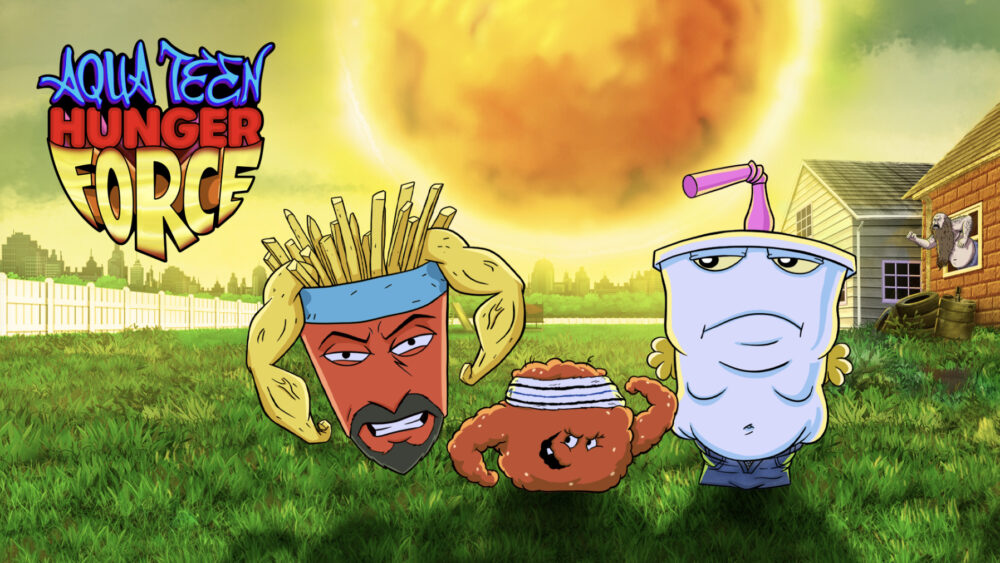
Aqua Teen Hunger Force has served as the “Big Bang” of the Adult Swim era, establishing the template for the surreal, low-budget, and non-sequitur humor that defined 21st-century alternative comedy. Its importance lies in its role as a “counter-culture flagship”; by following the mundane, often abrasive lives of three anthropomorphic fast-food items and their neighbor Carl, creators Dave Willis and Matt Maiellaro proved that a show could thrive without continuity, logic, or traditional character arcs. This “punk-rock” approach to animation—relying on improvisational dialogue and limited movement—validated the “creativity over budget” philosophy that directly paved the way for modern hits like Rick and Morty and The Eric André Show.
By embracing “animated chaos” and refusing to grow up, Aqua Teen Hunger Force transformed from a late-night experiment into a foundational pillar of adult animation, proving that as long as there is a New Jersey suburb to destroy, Master Shake, Frylock, and Meatwad will remain culturally immortal.
16) Venture Bros.


Since its premiere in 2003, The Venture Bros. has stood as the “gold standard” for serialized adult animation, evolving from a simple parody of Jonny Quest into one of the most complex and literate works in television history. Its importance over the last 25 years lies in its radical commitment to continuity and consequence; unlike most animated sitcoms that reset their status quo, The Venture Bros. allowed its world to age and its characters to permanently change, fail, and suffer from the weight of “intergenerational trauma”. By treating its massive ensemble of over 40 characters with genuine psychological depth, creators Jackson Publick and Doc Hammer pioneered a style of “dense mythology” that directly paved the way for modern hits like Rick and Morty and Harley Quinn.
As of December 2025, the series has found a second life as an “abandoned masterpiece” on platforms like Netflix and Max, continuing to influence a new generation of creators who prioritize “world-building over gag-delivery”.
15) Big Mouth

Big Mouth has fundamentally transformed how adult animation approaches the biological and emotional “horror” of growing up. Its importance over the last decade lies in its revolutionary use of anthropomorphic metaphors to personify the internal chaos of adolescence; by introducing characters like the Hormone Monsters, the Shame Wizard, and the Anxiety Mosquito, the show provided a new visual and comedic language for discussing once-taboo topics like puberty, consent, and mental health. This unique “educational raunch” not only earned the series critical acclaim and multiple Emmy wins for Maya Rudolph’s iconic performance as Connie the Hormone Monstress, but also secured its legacy as Netflix’s longest-running original scripted series, concluding its historic eight-season run on May 23, 2025.
14) American Dad
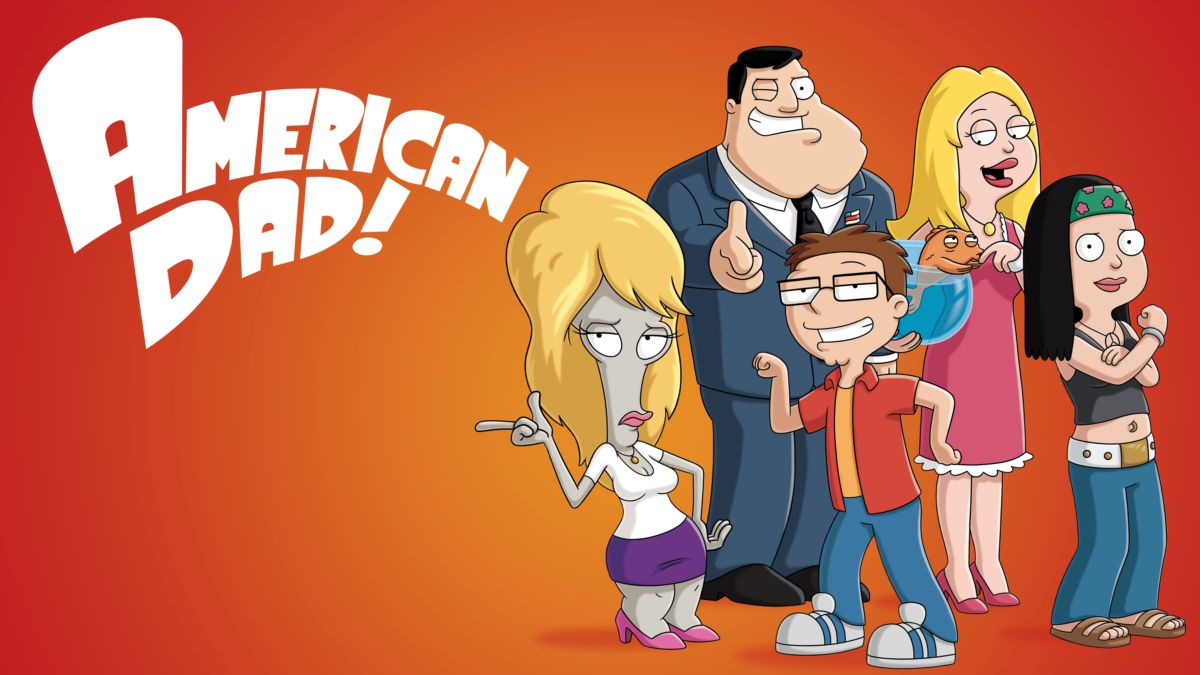

American Dad! has achieved a rare feat in television history by successfully evolving from what critics initially dismissed as a Family Guy “clone” into one of the most inventive and surreal comedies on the air. Its importance over the last 20 years stems from its creative fearlessness; after Seth MacFarlane stepped back to focus on other projects, the show’s writers abandoned the “cutaway gag” formula in favor of character-driven absurdity and high-concept storytelling. This shift transformed the series into a “writer’s favorite,” known for its dense, layered plotting and the creation of Roger the Alien, whose thousands of distinct personas have become a masterclass in voice acting and comedic versatility.
By balancing genuine family heart with a willingness to “blow up the world” for a joke, American Dad! has secured its place as the eccentric, smarter sibling of the MacFarlane empire, consistently delivering some of the most “reliably hilarious” content in the genre.
13) King of the Hill
King of the Hill has occupied a unique space in adult animation as the genre’s most grounded and “human” sitcom. While its contemporaries often relied on surrealism or high-concept gags, creators Mike Judge and Greg Daniels found comedy in the hyper-realistic, mundane details of suburban Texas life—transforming the simple act of standing in an alley drinking beer into a cultural icon. Its importance over the last 25 years stems from its “quiet subversion”; it remains one of the few shows to offer a compassionate, nuanced portrayal of middle-class conservative values while simultaneously skewering the absurdities of dogmatic traditionalism. This “last bipartisan comedy” has proven remarkably prophetic, with characters like the conspiracy-theorist Dale Gribble serving as a blueprint for the modern digital age’s sociopolitical landscape.
With Season 15 officially slated for 2026 and a recent renewal for Seasons 16 and 17, King of the Hill has successfully transitioned from a nostalgic relic to a leading force in modern streaming, proving that authenticity and “propane-fueled” common sense are timeless.
12) Wonder Showzen

Since its premiere on MTV2 in 2005, Wonder Showzen has occupied a singular, “dangerous” space in adult animation and sketch comedy, acting as the ultimate antithesis to the sanitized optimism of 1970s educational television. Created by Vernon Chatman and John Lee (the creative minds behind the production banner PFFR), the series utilized puppets, child actors, and animated shorts to deliver a brutal, existential critique of politics, religion, and institutional hypocrisy. Its importance lies in its role as the “first whiff of the gas leak” for modern surrealist comedy—proving that comedy could be uncomfortable, acidic, and entirely nihilistic without ever losing its satirical edge. It effectively pioneered the “anti-humor” and confrontational style that would later define the 21st-century comedy landscape.
11) The Simpsons

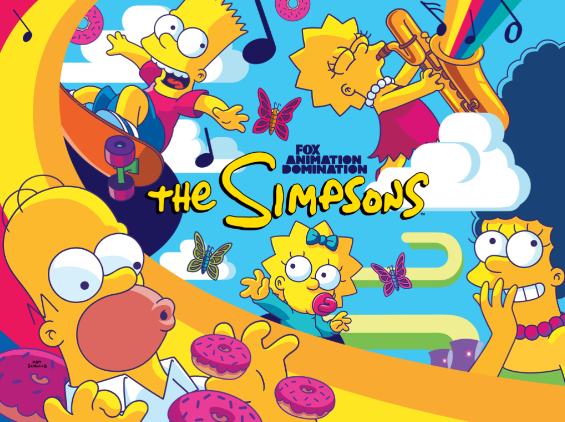
While the 1990s established The Simpsons as a global phenomenon, its importance over the last 25 years lies in its transition from a hit show to a permanent cultural institution. Since 2000, it has served as the “North Star” for the adult animation boom, providing the foundational blueprint for hits like Family Guy and Rick and Morty while proving that animated characters could age into “realistic” depictions of American life. Its longevity is statistically staggering: in 2025, it remains the longest-running sitcom in history, having surpassed 800 episodes and secured an awards record of 37 Primetime Emmy Awards—including 12 for Outstanding Animated Program.
However, the 2020s have also seen the show navigate significant growing pains. In the wake of the Black Lives Matter movement and a broader industry shift toward authentic representation, the series made the landmark decision to stop having white actors voice non-white characters. This led to high-profile recasts for long-standing characters like Dr. Hibbert and Carl Carlson, as well as the eventual retirement of Apu Nahasapeemapetilon as a voiced role. While many lauded these changes as a necessary evolution for inclusivity, they coincided with—and, according to some critics and segments of the fan base, contributed to—a continued decline in traditional broadcast ratings. For long-term viewers, the vocal shift in iconic characters (combined with the natural aging of the original cast) created a “disconnection” from the show’s classic feel, accelerating a viewership drop that saw many recent episodes struggling to crack the one million viewer mark on live television.
10) Red vs Blue

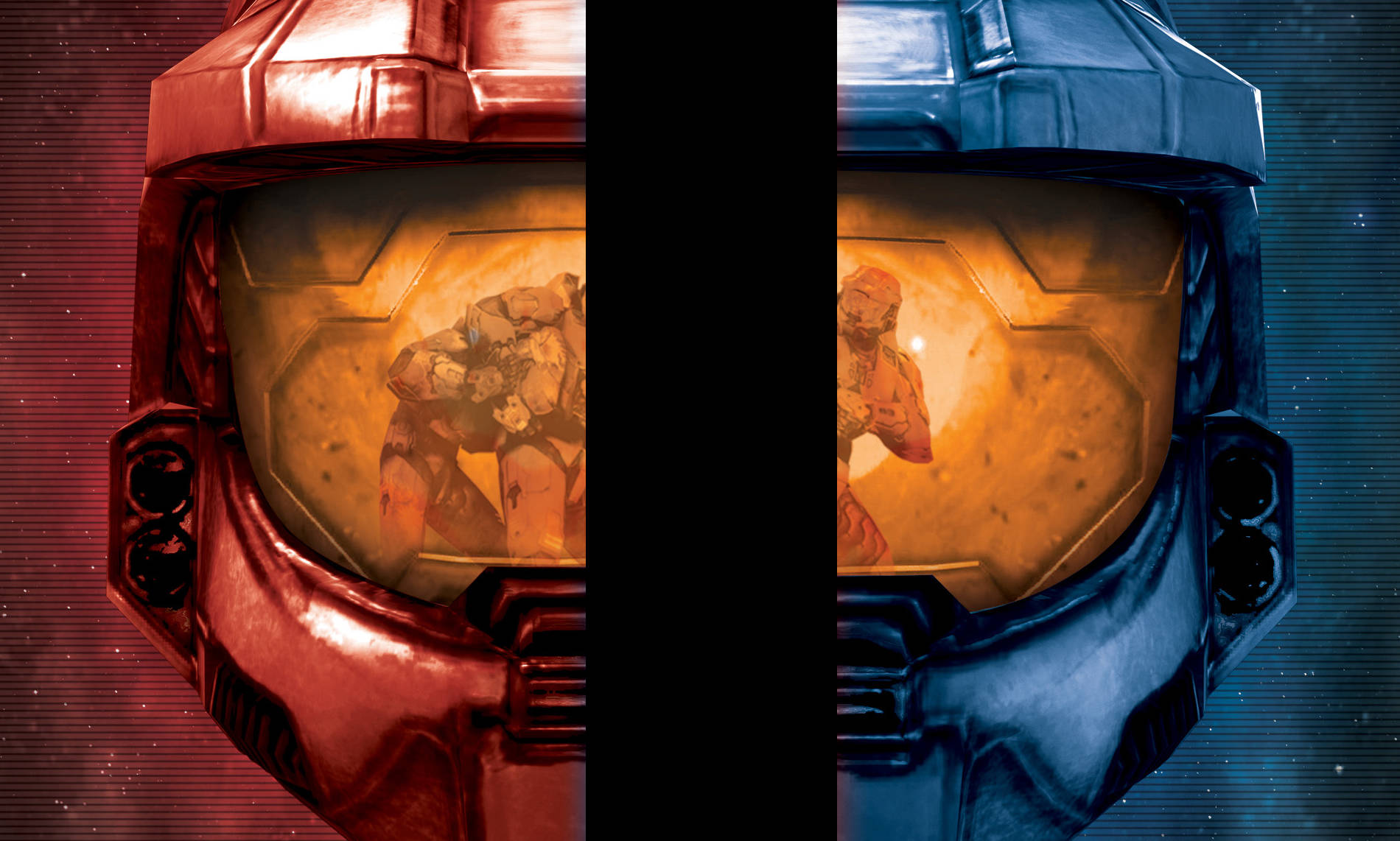
Celebrating its 21st anniversary with its series finale in 2024, Red vs. Blue stands as the ultimate pioneer of machinima—the art of using video game engines to create cinema. What began in 2003 as a simple parody of Halo and military life grew into the longest-running web series in history, essentially kickstarting the professionalization of internet video years before YouTube even existed. Its importance lies in its role as the foundation of Rooster Teeth, proving that a small group of creators could bypass traditional studios to build a global media empire and a fiercely loyal community
9) The Life and Times of Tim


The Life and Times of Tim (2008–2012) holds a vital place in the history of adult animation as the definitive pioneer of the “cringe-comedy” subgenre within the medium. Created by Steve Dildarian, the series utilized a purposefully crude, lo-fi aesthetic that stripped away visual distractions to focus entirely on its masterfully dry, improvisational dialogue. Its importance lies in how it translated the “uncomfortable” humor of live-action hits like Curb Your Enthusiasm or The Office into animation, proving that a cartoon could find success through subtlety and awkward social dynamics rather than just high-concept premises or slapstick violence.
The show’s legacy is increasingly recognized as a foundational influence on the modern “indie” animation wave that can be found in the early days of animation produced for social media.
8) Futurama


Futurama has established itself as the “intellectual heart” of adult animation, proving that a sitcom could be both absurdly funny and scientifically rigorous. Its legacy is defined by an unparalleled resilience; having survived four separate cancellations and migrations across Fox, Adult Swim, Comedy Central, and most recently Hulu—where it was recently renewed through 2026—the show pioneered the “revival” model that is now a staple of the streaming era. Beyond its survival, the series is world-renowned for its writing staff, which included multiple PhD-level mathematicians and scientists who famously developed a genuine mathematical theorem (the “Keeler Theorem”) specifically to solve a brain-swapping plot in the episode “The Prisoner of Benda”
7) The Boondocks


The Boondocks has stood as one of the most fearless and culturally significant works of satire in the history of adult animation. Based on Aaron McGruder’s acclaimed comic strip, the series transformed Adult Swim into a premier destination for biting social commentary, using the Freeman family to dissect the complexities of the Black American experience, class dynamics, and the “post-9/11” political landscape. Its importance lies in its refusal to “code-switch” or pull punches; it offered a raw, unapologetic critique of both systemic racism and internal community politics, often sparking national debates with episodes like “Return of the King,” which won a prestigious Peabody Award for its provocative reimagining of Martin Luther King Jr. in the modern era.
6) BoJack Horseman
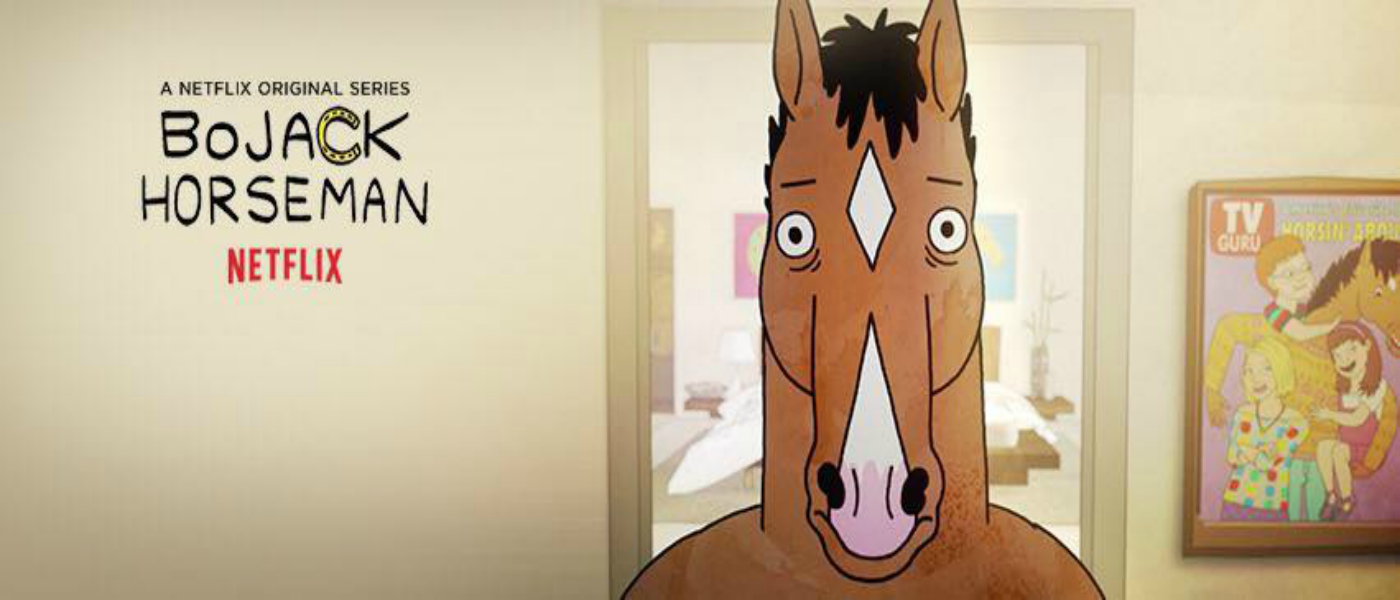
Since its premiere in 2014, BoJack Horseman has fundamentally shifted the boundaries of what adult animation can achieve, evolving from a quirky Hollywood satire into what many critics consider the definitive televised exploration of the human condition. Its importance lies in its unflinching realism regarding mental health, using its anthropomorphic world to bridge the gap between absurd comedy and raw, “soul-crushing” depictions of depression, addiction, and generational trauma. Unlike traditional sitcoms that reset at the end of every episode, BoJack pioneered a serialized, “no-status-quo” narrative where actions have permanent, devastating consequences, forcing its audience to confront the reality that recovery is not a linear path and there are no easy happy endings
5) Metalocalypse


Since its premiere in 2006, Metalocalypse has been the definitive bridge between extreme music and mainstream animation, serving as both a brutal parody and a sincere love letter to heavy metal culture. Its importance lies in its unprecedented crossover success: the show’s fictional band, Dethklok, transcended the screen to become a genuine musical powerhouse, with Dethalbum III peaking at No. 10 on the Billboard 200—making it the highest-charting death metal album in history. By treating the music with technical reverence—meticulously animating correct finger placements on guitar frets—while skewering the absurdities of celebrity ego and corporate consumerism, creators Brendon Small and Tommy Blacha created a “cultural fifth economy” that resonated with metalheads and comedy fans alike.
The show’s legacy is also defined by its incredible resilience and the “Army of the Doomstar” fan base. After an abrupt 2013 cancellation and a decade of silence—highlighted by Adult Swim famously livestreaming a paper shredder destroying fan petitions—the series made a triumphant, “resurrected” return in 2023. This revival, which included the feature film Army of the Doomstar, Dethalbum IV, and massive sold-out tours with acts like BABYMETAL and Amon Amarth, proved that the show’s brand of “animated anarchy” is timeless. As the series enters 2026 celebrating its 20th anniversary, it stands as a testament to the power of niche storytelling, proving that a project dedicated to the “blackest, most brutal” subculture could become one of adult animation’s most enduring and respected icons.
4) Family Guy

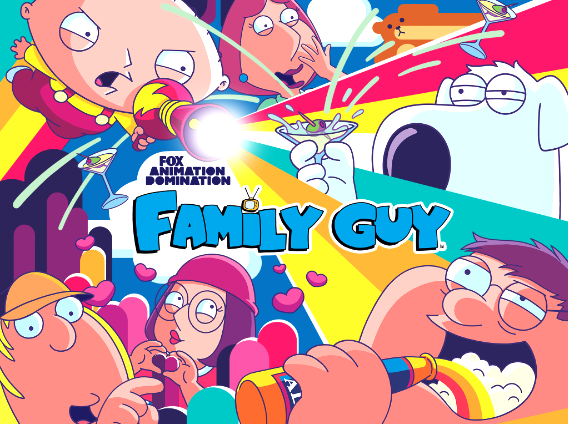
Since its debut in 1999, Family Guy has established itself as a revolutionary force in television history, most notably for being the first series to successfully “come back from the dead” through the sheer power of fan support. Its 2005 revival—fueled by record-breaking DVD sales and high ratings on Adult Swim—shattered the industry myth that cancellation was permanent, creating a blueprint for future revivals like Futurama. The show’s importance lies in its “cutaway gag” format, a non-linear comedic style that essentially predicted the short-form, rapid-fire humor of modern social media platforms like TikTok and YouTube. By prioritizing absurdity and pop-culture subversion over traditional sitcom plotting, Seth MacFarlane and his team created a “snackable” brand of comedy that remains one of the most-streamed properties on platforms like Hulu today.
3) Archer

Since its premiere in 2009, Archer has been a transformative force in adult animation, bridging the gap between high-concept workplace comedy and hyper-literary satire. While it spent 14 seasons skewering the tropes of the spy genre, its true legacy lies in its pioneering “anachronistic” world-building—a seamless blend of 1960s aesthetics, Cold War politics, and modern technology that forced audiences to focus on character dynamics over setting. By utilizing a unique, limited animation style that mimicked mid-century comic art with 3D-generated backgrounds, the show created a “cinematic” look that stood apart from the flat panoramas of its contemporaries
2) Bob’s Burgers

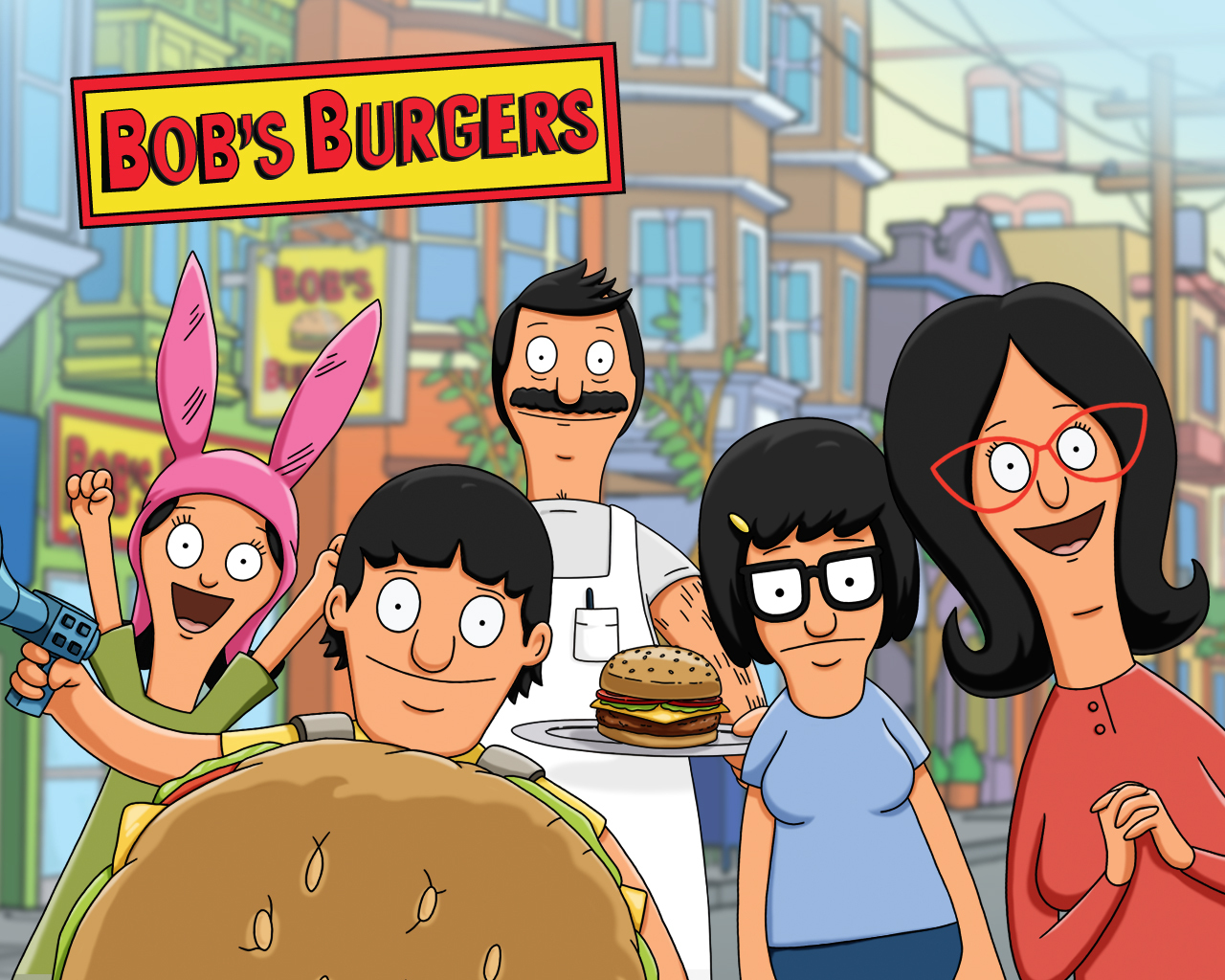
Since its debut in 2011, Bob’s Burgers has redefined the landscape of adult animation by proving that a series doesn’t need to be cynical or mean-spirited to be hilarious. While giants like The Simpsons and Family Guy established the template for the dysfunctional animated family, the Belchers have spent the last 15 years modeling a revolutionary “healthy dysfunction”—a dynamic where characters are eccentric and weird, but ultimately deeply supportive and loving toward one another. This shift has sparked a “wholesome renaissance” in the genre, directly influencing newer series like The Great North and Central Park while pushing the industry toward more grounded, character-driven storytelling.
1) South Park
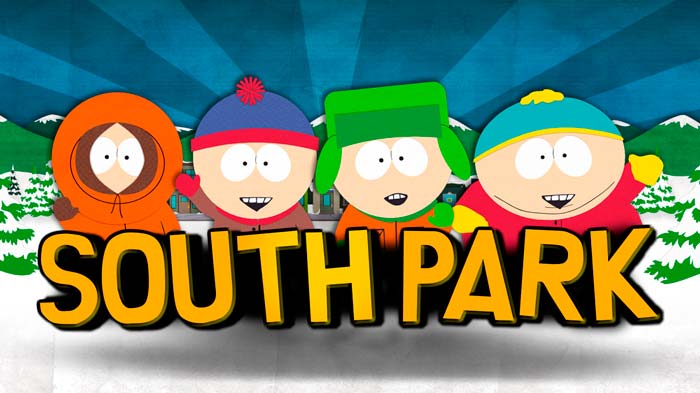

Over the last 25 years, South Park has evolved from a crude, low-budget “shock” cartoon into one of the most influential pillars of modern social satire. By pioneering a lightning-fast “6 days to air” production cycle, creators Matt Stone and Trey Parker transformed the series into a real-time mirror of society, capable of skewering headlines while they are still unfolding—a feat no other show has replicated with such consistency. Its importance lies in its “punk-rock” refusal to spare any sacred cow, successfully navigating nearly three decades of shifting political and social climates by being “equal-opportunity offenders.”















There's got to be some kind of twist that's going to happen with this. I don't know if they're setting up an April Fool's joke now or what's going on, but it seems too strange that they'd suddenly reverse on doing a fourth and fifth season after the show was already renewed and they were even just talking about working on those seasons like a couple months ago or something. Or maybe the two episodes yet to release will secretly somehow each be like a "season" in themselves?